


Gefrierschrank Mit Lieferung Und Anschluss
Add a review FollowOverview
-
Founded Date 9 February 1916
-
Sectors Automotive Jobs
-
Posted Jobs 0
-
Viewed 7

Company Description
Why All The Fuss About Installation Buy A Freezer?
A Comprehensive Guide to Buying and Installing a Freezer
When it concerns saving food, there is no better ally than a freezer. Whether you’re an avid meal prepper, someone who likes to stockpile on seasonal fruits and vegetables, or a busy parent attempting to handle a household, a freezer can considerably improve your food preservation practices. Nevertheless, buying and setting up a freezer requires mindful consideration to guarantee you get the most out of your investment. This post will provide helpful insights and suggestions to help you buy and set up a freezer efficiently.
Comprehending Freezer Types
Before making a purchase, it’s important to comprehend the different types of freezers offered on the market. Each type has its own set of functions, benefits, and perfect use environments. Here’s a breakdown of the most typical types:
| Type | Description | Pros | Cons |
|---|---|---|---|
| Upright Freezer | A vertical unit that looks like a conventional fridge. | Easy access; space-efficient; multiple shelves for organization. | Less storage capability than chest freezers. |
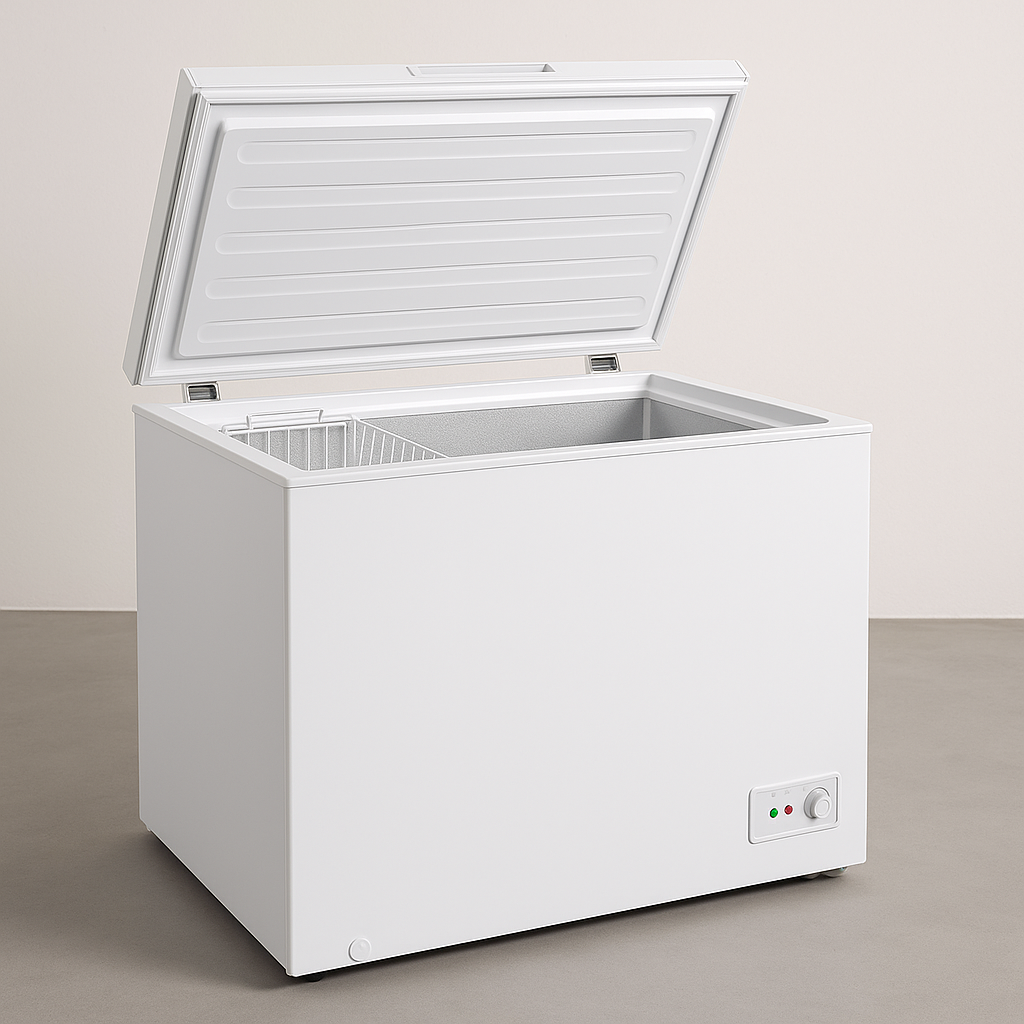
| Chest Freezer | A horizontal freezer that opens from the top. | Greater storage capability; much better energy efficiency; perfect for bulk storage. | Uses up more flooring space; more difficult to arrange. |
| Portable Freezer | Small, compact freezers meant for travel or small spaces. | Light-weight; simple to transport; ideal for very little storage. | Limited storage capability. |
| Counter top Freezer | Compact systems created to fit on counter tops. | Space-saving; prevalent for small apartments; quickly accessible. | Less capacity than full-sized choices. |
| Built-in Freezer | Freezers that are designed to be integrated within kitchen cabinetry. | Provides a smooth aesthetic; custom-made size alternatives. | Usually more pricey; requires expert installation. |
Comprehending these types will permit you to pick a freezer that best fits your storage needs and offered area.
Key Features to Consider
When looking to buy a freezer, you need to consider several essential functions. Here’s what to bear in mind:
-
Size and Capacity: Consider the readily available space in your home and just how much food you plan to shop. Typical sizes vary from 5 to 25 cubic feet.
-
Energy Efficiency: Opt for designs with Energy Star scores to minimize electrical power bills.
-
Temperature level Control: Look for freezers with adjustable temperature settings.
-
Thawing: Decide in between manual and automatic defrosting choices. Automatic defrost is perfect for minimized maintenance.
-
Sound Level: If noise is an issue, examine the decibel levels of your potential freezer as some systems can be louder than others.
-
Storage Options: Examining the design and organizational accessories such as bins, shelves, and dividers can assist you take full advantage of storage.
-
Toughness and Warranty: Consider the construct quality and the service warranty period to guarantee a long lifespan for your appliance.
Installation Considerations
When you’ve purchased a freezer, it’s time to consider its installation. Here are key actions to direct you through the process:
1. Choose the Right Location
- Ventilation: Ensure that the location has enough ventilation for the freezer to run effectively.
- Distance to Power Source: Place the freezer near an electric outlet to prevent using extension cords.
- Temperature level Control: Avoid setting up the freezer in areas subject to temperature level extremes, such as garages or basements.
2. Prepare the Installation Area
- Level Surface: Ensure that the surface area is level to prevent unnecessary wear and tear on the device.
- Clean Area: Clear any debris and dust in the suction location at the back of the freezer.
3. Unbox and Position the Freezer
- Handling: Kühl-Gefrier-Kombination Kaufen Use care when managing the freezer. It’s best to have at least another person to assist with bigger models.
- Position: Once unboxed, thoroughly position the freezer in the picked place.
4. Link to Power
- Voltage Check: Make sure the power rating matches the freezer’s requirements.
- Power Up: Plug in the freezer and enable it to run for a couple of hours before adding food. This ensures it reaches the preferred temperature.
5. Change Shelving and Temperature
- Arrange: If your freezer has detachable racks, arrange them according to your needs.
- Set Temperature: Adjust the temperature setting as required.
Frequently Asked Questions (FAQ)
Q1: How long does a freezer last?
A: The typical lifespan of a household freezer is around 10 to 20 years, depending upon the brand name, usage, and upkeep.
Q2: Is it fine to put a freezer in a garage?
A: It is normally appropriate, however ensure that temperatures in the garage do not drop below 0 ° F or go beyond 110 ° F, as severe temperatures can impact functionality.
Q3: Should I leave space in between the wall and the freezer?
A: Yes, leave a minimum of a few inches in between the back and sides of the freezer for appropriate ventilation.
Q4: What upkeep does a freezer require?
A: Regularly tidy the interior and outside, check the seals on doors, and thaw if required (for manual models).
Q5: Can I use an extension cable with my freezer?
A: It is not advised to use an extension cord. Plug straight into a wall outlet for security and optimum efficiency.
Buying and setting up a freezer is a financial investment that can exceptionally affect your food storage abilities and overall kitchen company. By comprehending the types, crucial functions, and installation ideas described in this guide, you can confidently make notified choices while setting up your brand-new appliance. From choosing the best model to placing it efficiently in your home, these steps will guarantee that your freezer serves you well for years to come. Happy freezing!
