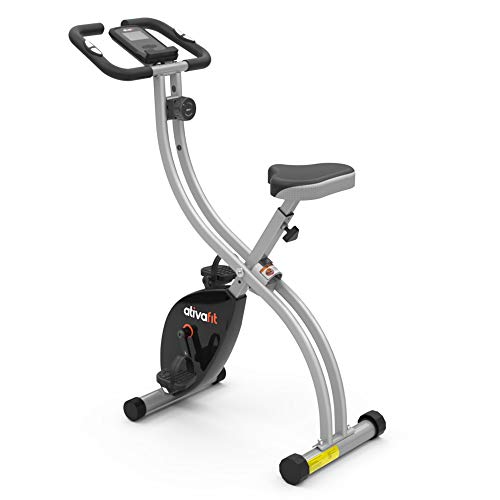
Great Exercise Bikes
Add a review FollowOverview
-
Founded Date 26 April 1930
-
Sectors Restaurant / Food Services
-
Posted Jobs 0
-
Viewed 11

Company Description
Guide To Exercise Bicycle: The Intermediate Guide For Exercise Bicycle
The Exercise Bicycle: A Comprehensive Guide on Benefits, Types, and Best Practices
Exercise bicycles, often described as stationary bicycles, have risen in appeal over the last few years as a reliable ways of enhancing cardiovascular health, burning calories, and enhancing total fitness. With a variety of types readily available, understanding how to pick the best one and integrate it into a fitness routine is necessary for accomplishing ideal health benefits. This short article explores the various kinds of exercise bicycles, their advantages, and practical tips for reliable exercises.
Kinds Of Exercise Bicycles
Exercise bicycles can be broadly categorized into 3 types: upright bikes, recumbent bikes, and spinning bikes. Each type uses unique functions fit for numerous fitness levels and choices.
| Kind Of Exercise Bicycle | Description | Ideal For |
|---|---|---|
| Upright Bike | Simulates the experience of riding a standard bicycle, with the rider in an upright position. | Beginners and experienced cyclists alike looking for a full-body exercise. |
| Recumbent Bike | Functions a reclined seating position, which reduces strain on the back and provides assistance for the lower body. | Elders or individuals with back issues or those recovering from injury. |
| Spinning Bike | Created for high-intensity workouts, generally featuring a much heavier flywheel and adjustable resistance. | Fitness enthusiasts and those interested in high-intensity interval training (HIIT). |
Advantages of Using an Exercise Bicycle
Engaging in regular workouts on an exercise bicycle offers numerous advantages for people of all ages and fitness levels. Here are some crucial benefits:
-
Cardiovascular Health: Exercise bicycles use an excellent aerobic workout that can substantially enhance heart health and lung capability.
-
Low Impact on Joints: Unlike running or other high-impact activities, biking places minimal tension on the joints, making it ideal for individuals with joint diseases or those recovering from injuries.
-
Convenience: With an exercise bicycle at home, individuals can exercise at their own convenience without weather obstacles or time restraints.
-
Weight reduction: Regular biking helps burn calories, which can cause weight loss or weight management when combined with a well balanced diet.
-
Improved Muscle Tone: Cycling targets significant muscle groups including the legs, glutes, and core, therefore contributing to much better muscle tone and strength.
-
Mental Health Benefits: Physical activity, including cycling, launches endorphins– natural mood lifters– which can reduce signs of anxiety and depression.
Table 1 below summarizes these benefits and suggests their significance based on various fitness objectives.
| Benefit | Significance Level (1-5) |
|---|---|
| Cardiovascular Health | 5 |
| Low Impact on Joints | 4 |
| Convenience | 5 |
| Weight Loss | 4 |
| Improved Muscle Tone | 4 |
| Mental Health Benefits | 5 |
Tips for Effective Workouts
To maximize the advantages of utilizing an exercise bicycle, consider the following practical ideas for reliable workouts:
Setting Up Your Bike
- Change the Seat Height: Ensure that your knee is a little bent at the bottom of the pedal stroke.
- Change the Handlebars: Position them to a comfy height that does not strain your back or shoulders.
- Usage Proper Footwear: Wear proper shoes that use good assistance and decrease slippage.
Producing a Balanced Routine
- Warm-Up and Cool Down: Always start with a 5-10 minute warm-up to prep your muscles and follow with a cool-down session to assist recovery.
- Include Interval Training: Alternate in between high-intensity speeds and moderate pedaling to boost cardiovascular fitness and burn more calories.
- Display Your Heart Rate: Use the bike’s integrated sensors or a heart rate screen to preserve an optimum training zone.
Keeping Motivation
- Set Specific Goals: Whether it’s duration, range, or calories burned, having clear goals can keep you focused.
- Track Your Progress: Utilize fitness apps or journals to log workouts and keep track of improvements over time.
- Diversify Your Workouts: Mix sessions with music, videos, or interactive online classes to keep your routine fresh and enjoyable.
Frequently Asked Questions (FAQs)
How often should I use an exercise bicycle?
For ideal health advantages, it is advised to use an exercise bicycle a minimum of 150 minutes weekly of moderate-intensity aerobic activity or 75 minutes of vigorous activity. This can be spread out throughout the week based on personal choices.
Can I lose weight by biking on an exercise bicycle?
Yes, biking is an efficient method to burn calories. To attain weight-loss, combine constant biking with a balanced diet and other forms of exercise.
Is cycling safe for elders?
Definitely. However, seniors ought to select a recumbent bike to decrease stress on the back and joints, and ensure an appropriate setup and posture for comfort.
What are some typical errors to prevent while cycling?
- Inappropriate seat height can cause pain and injury.
- Overstraining without appropriate rest can impede development.
- Ignoring hydration is a common error that can adversely impact efficiency.
Can I watch TV or check out while cycling?
Yes, lots of individuals find that seeing television or reading assists make the workout more pleasurable. Simply ensure you keep appropriate posture on the bike to avoid strain.
The exercise bicycle is a versatile piece of devices with many advantages, making it an ideal option for people looking to enhance their fitness levels comfortably and securely. By understanding the different types of bikes, embracing their benefits, and following best practices for workouts, anyone can effectively include cycling into their health program. As fitness objectives progress, the exercise bicycle offers a trustworthy means of achieving and keeping preferred results.